The RetailTech Growth Engine: How Automation, AI Agents & Predictive Analytics Redefine Customer Experience
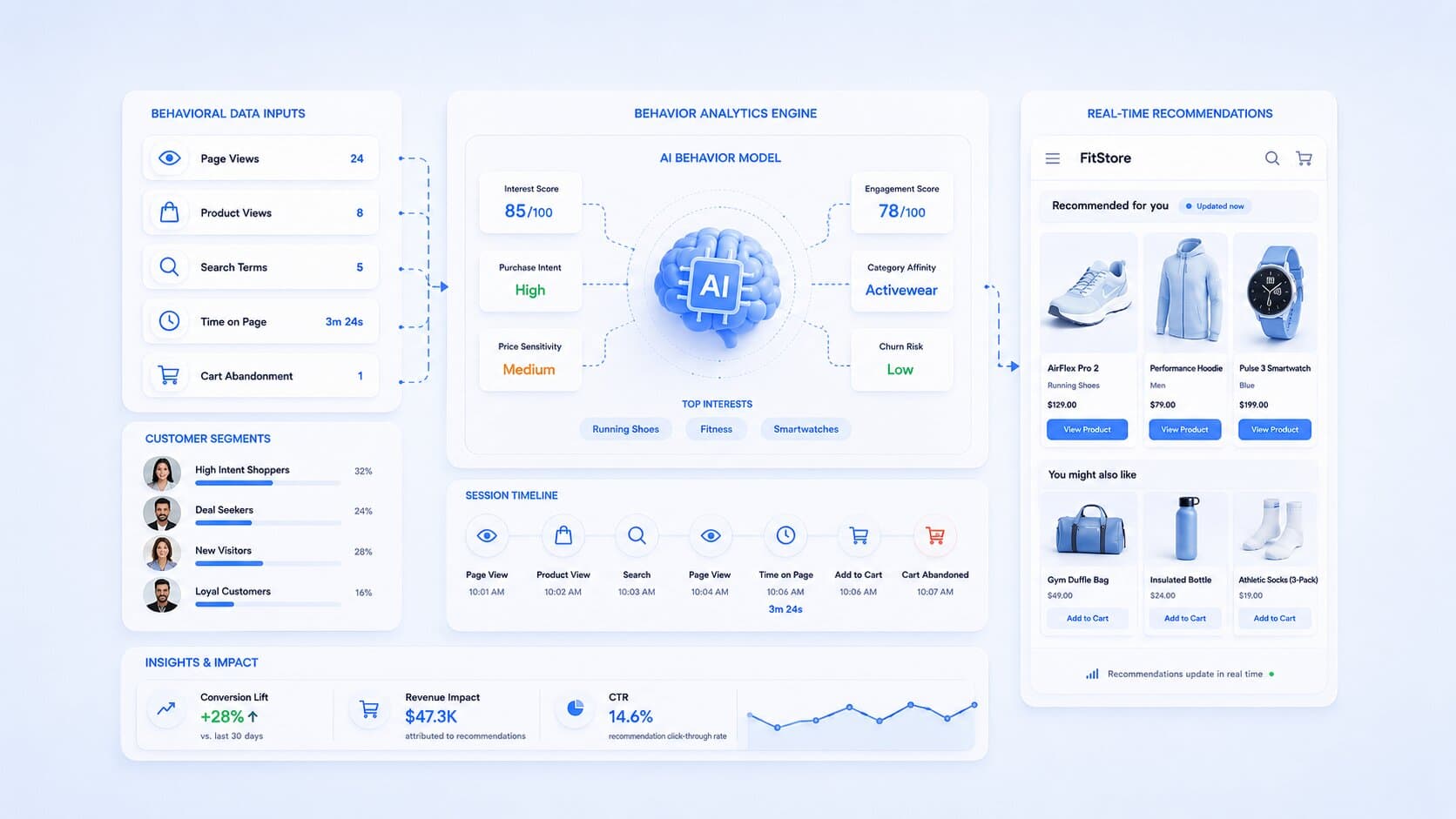
Customer experience automation combines AI agents, event-driven orchestration, and predictive analytics to resolve retail queries end-to-end, not just answer them.

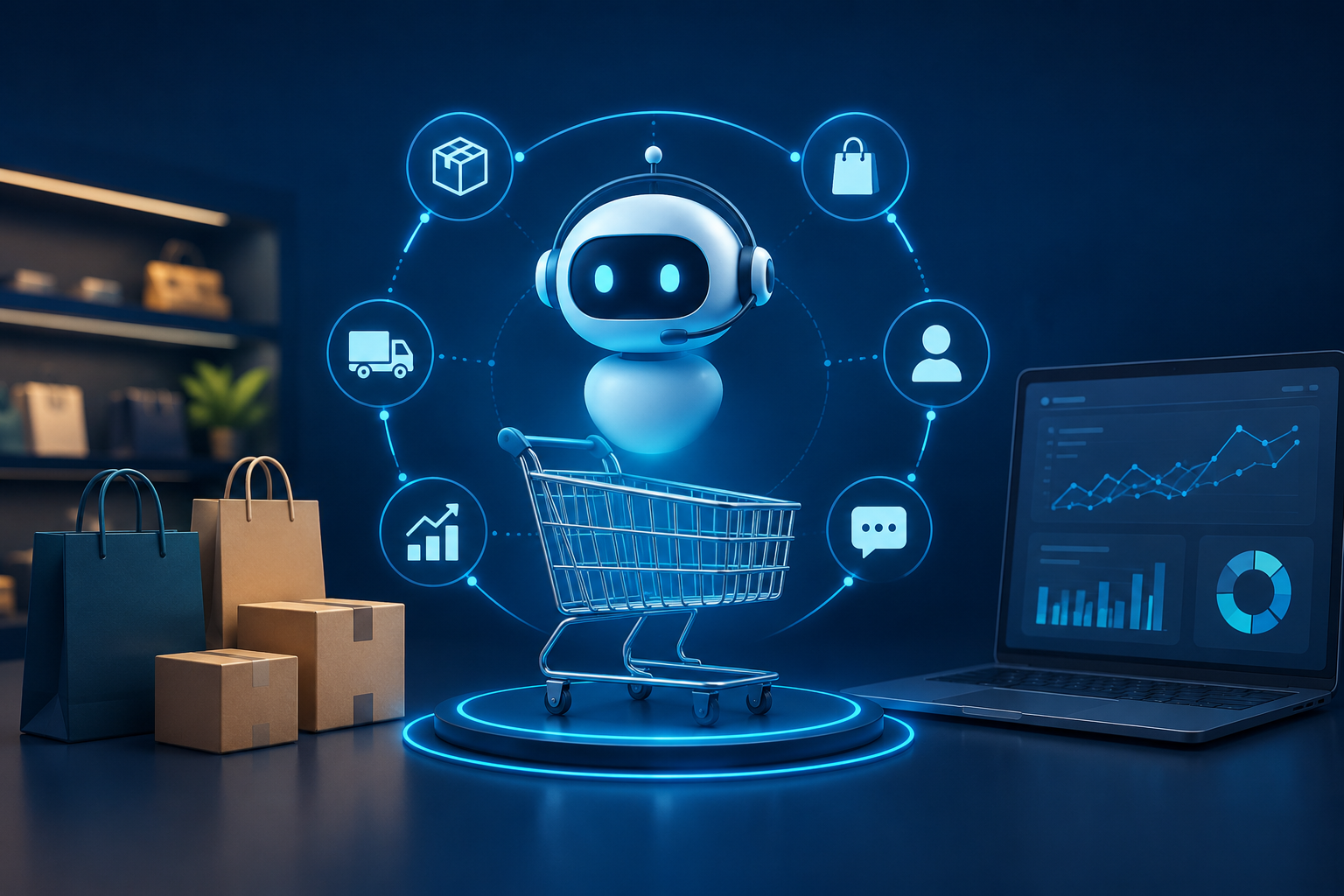
Modern retail scalability is defined by backend integration speed, contextual memory persistence across channels, and execution consistency. Customer experience automation combines agentic LLMs, event-driven orchestration, and time-series predictive analytics to make every touchpoint faster, personalized, and operationally efficient—without increasing engineering overhead.
For retail leaders in India and globally, this is not a future trend. It is the operating model for 2026. Across every sector, brands are shifting toward an automation customer experience model that treats speed and consistency as core product features, not add-ons. Retailers who delay automation and customer experience integration are already losing ground to competitors who resolve queries in seconds, predict stockouts before they happen, and personalise every interaction at scale.
This blog explains what customer experience automation means for retail, how AI agents and predictive analytics work together, and how you can build a retail automation platform that keeps humans in control while machines do the heavy lifting.
Key Takeaways
- Customer experience automation: Combines tool-calling AI agents, event-driven API orchestration, and predictive analytics to execute state mutations in real time rather than delivering static text.
- High-Throughput ROI: Retail-specific pressures—seasonal spikes, thin margins, and interaction velocity—make custom CX automation exceptionally high ROI.
- Microservices Approach: Specialized agentic LLMs function as an orchestrated team across order tracking, returns, product discovery, and sentiment analysis.
- Proactive Interventions: Time-series demand forecasting models (XGBoost/LSTM) catch churn risks and stockouts prior to customer escalation.
- Complete Data Sovereignty: Building on a custom, API-native, private-cloud architecture eliminates per-ticket SaaS subscription taxes and keeps 100% of first-party data intact.
What Is Customer Experience Automation?
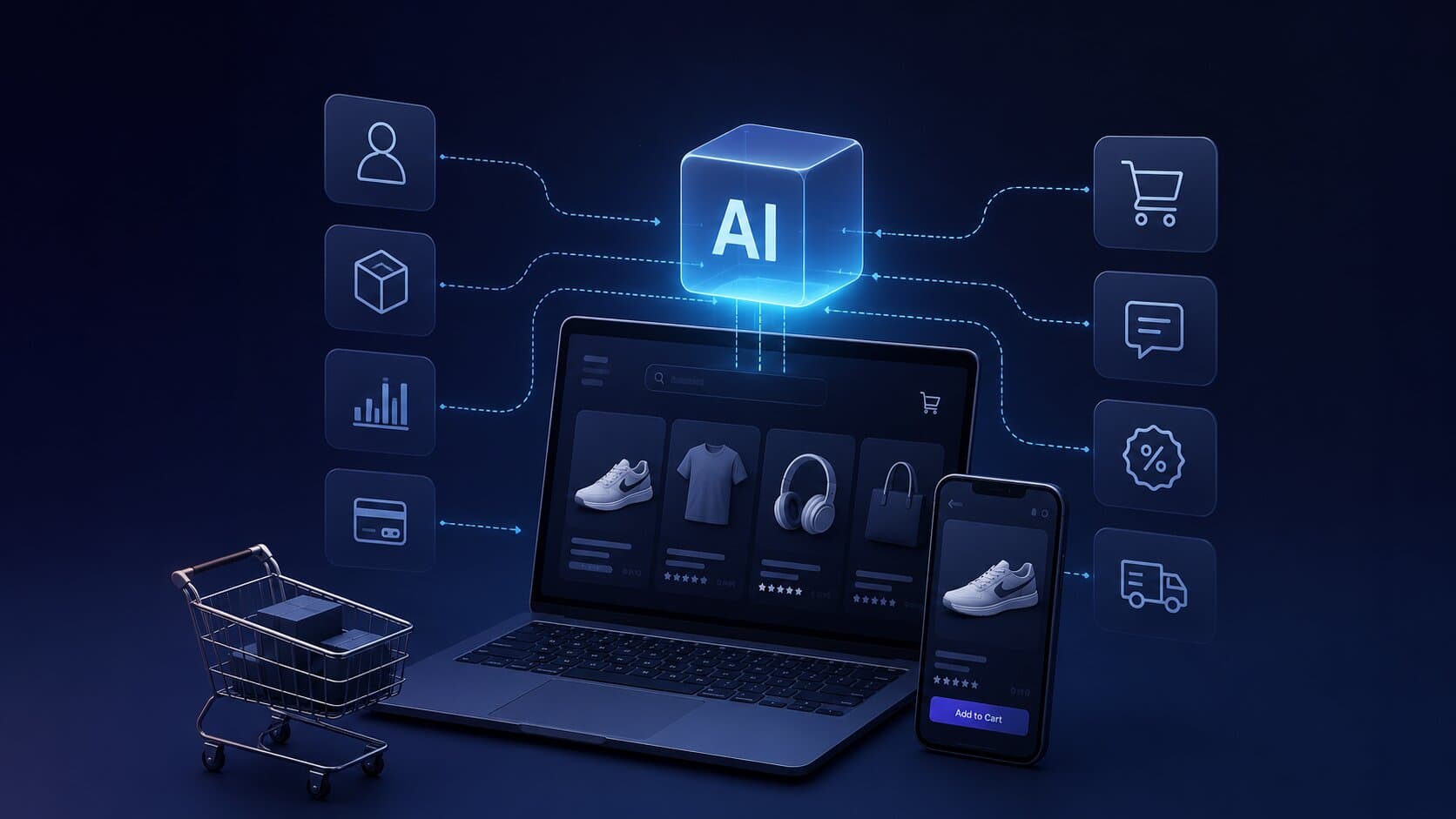
In technical terms, customer experience automation is the deployment of function-calling LLMs, RAG vector pipelines, and event-driven workflow orchestration to manage customer state mutations across the full journey—from first contact to OMS/ERP updates—without manual agent coordination.
Customer experience automation platform solutions typically combine four elements:
| Component | What It Does | Retail Example |
|---|---|---|
| Orchestration | Event-driven middleware directing traffic between API endpoints | Routes return triggers directly to an AI agent or human queue |
| Segmentation | Feature-store clustering based on transactional history & telemetry | Applies low-friction return logic for high LTV tiers |
| Personalisation | Vector similarity search & real-time intent embeddings | Generates dynamic recommendations based on session vector states |
| Automation | REST/gRPC webhooks executing state mutations in WMS/OMS/CRM | Triggers restock webhooks, processes refunds, and syncs ERPs |
Salesforce frames these four pillars as the foundation of any successful CXA strategy, aligning with the broader industry shift toward multi-agent orchestration where specialized AI agents manage end-to-end workflows rather than isolated tasks.
The key distinction retailers must understand: automated customer experience is not the same as a basic chatbot. A chatbot answers questions. A true CX automation system resolves the issue end-to-end, updates the backend system, and only escalates to a human when judgment or empathy genuinely changes the outcome.
Why Retail Needs Custom Automation Now?
Retail operates under three structural pressures: seasonal volume volatility, razor-thin margins, and consumers demanding instant, cross-channel fulfillment.
Zendesk research found that a majority of CX leaders believe generative AI helps make digital interactions feel more human, and a similar majority say AI agents build stronger emotional connections with customers when implemented correctly. This challenges the old assumption that automation feels cold.
Consider what happens during a flash sale or festival season. Support volume can spike 40 to 60 percent overnight. Retailers relying purely on human agents either overstaff for a few weeks a year or leave customers waiting. Retailers who deliver a genuinely automated customer service experience during these windows protect both revenue and brand reputation, because a delayed response during peak season does more damage than the same delay on a slow Tuesday. Retail automation platform tools solve this by absorbing the spike instantly, with AI agents handling order tracking, refund status, and product queries in parallel, at any hour.
Core Engineering Drivers for Retail CXA:
- Sub-second response latencies via asynchronous webhook handlers.
- Elastic infrastructure auto-scaling during traffic spikes without increasing support payroll.
- State persistence across Web, App, WhatsApp, and Voice channels via Redis session management.
- Real-time telemetry ingestion into CRMs and Analytics Data Warehouses.
- Reduced human agent burnout by automating routine, repetitive ticket types.
AI Agents: The Microservices Architecture of Frontline Retail CX
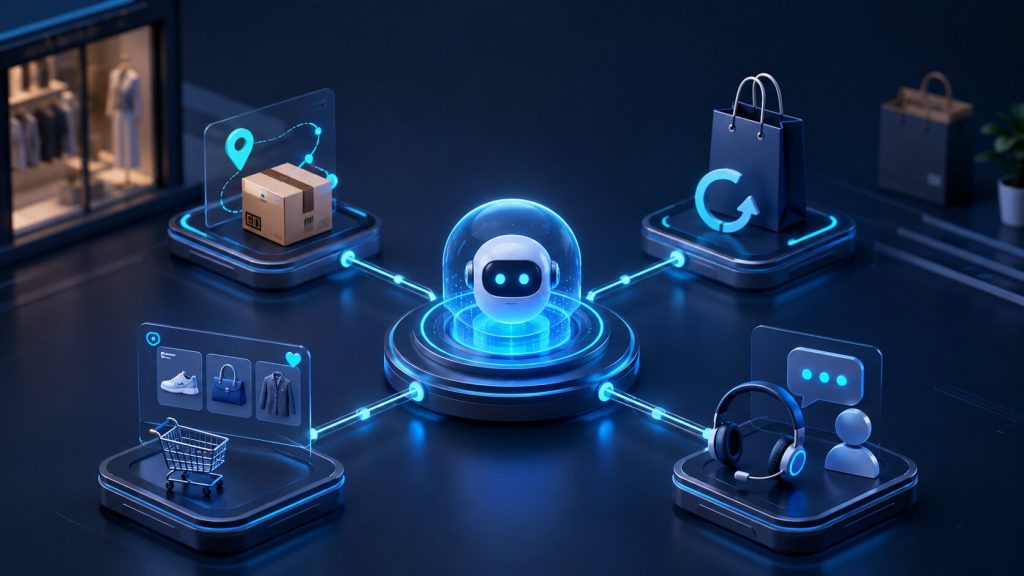
The single biggest shift in automated customer service experience solution design is the move from single-purpose bots to specialised AI agents that work like a coordinated team.
In a modern customer experience automation platform, different agents handle different jobs:
- Order and Delivery Agents: Track shipments, handle delays, and proactively notify customers before they ask.
- Returns and Refunds Agents: Process eligible returns instantly, flag exceptions for human review.
- Product Discovery Agents: Recommend items using purchase history and real-time browsing behaviour.
- Sentiment and Escalation Agents: Detect frustration in tone or wording and route the conversation to a human before it turns into a complaint.
Predictive Analytics: Solving Problems Before They Happen
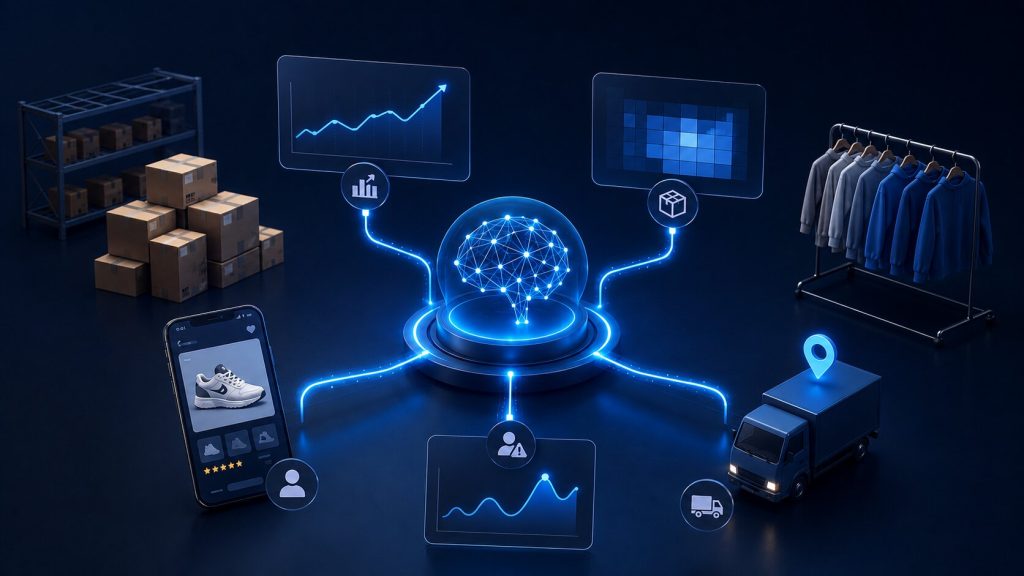
How automation improves customer experience metrics becomes clear once predictive analytics enters the picture. When predictive analytics models connect directly to conversational agent pipelines, CX transitions from reactive issue management to proactive system intervention.
Predictive time-series models (Snowflake/Databricks feature stores running XGBoost or Transformer architectures) evaluate live data to flag:
- Churn risks following delivery delays or inventory exceptions.
- Regional stockouts 72 hours in advance based on cart-addition velocity.
- High-probability escalation tickets using early sentiment vectors.
- System traffic spikes requiring dynamic infrastructure auto-scaling.
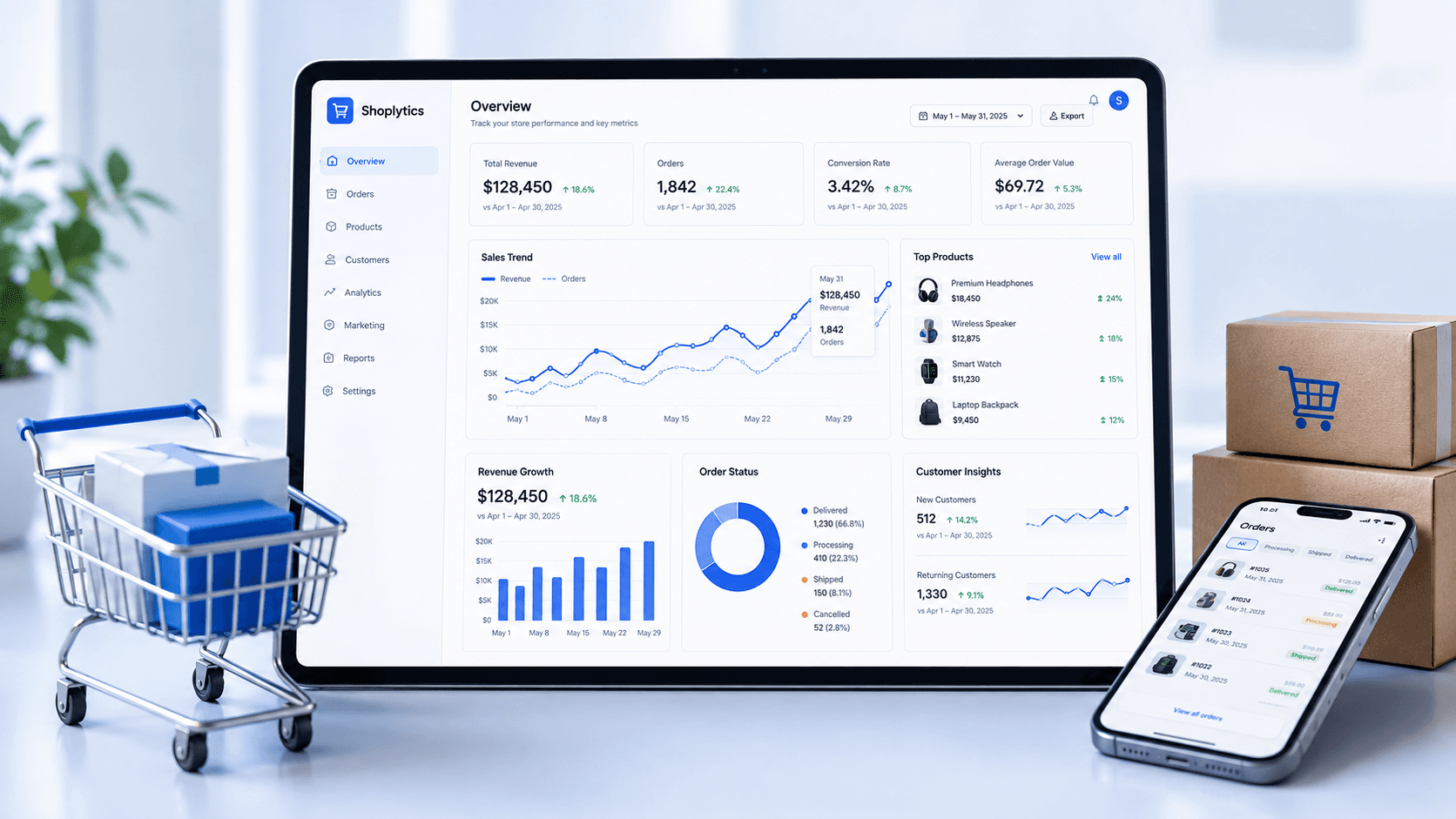
Metrics That Typically Improve With CXA:
| Metric | Typical Impact |
|---|---|
| First Response Time | Drops from hours to seconds |
| Resolution Rate (First Contact) | Increases significantly with agent handoff logic |
| Customer Satisfaction (CSAT) | Improves due to consistency and speed |
| Support Cost Per Ticket | Decreases as routine volume shifts to AI agents |
| Agent Burnout / Attrition | Reduces as agents handle fewer repetitive queries |
Custom AI Engine vs. Off-the-Shelf SaaS Plugins
Enterprise retailers often evaluate off-the-shelf SaaS plugins (e.g., Gorgias, Zendesk AI) against custom-engineered AI systems. For growing brands, closed SaaS platforms quickly introduce architectural and financial bottlenecks:
| Evaluation Criteria | Off-the-Shelf SaaS Plugins | VectovateAI Custom AI Engine |
|---|---|---|
| Data Sovereignty & Privacy | Data hosted in vendor cloud; black-box privacy risks | 100% data ownership deployed in your private cloud (AWS/GCP/Azure) |
| Backend System Sync | Restricted to basic pre-built webhooks; middleware dependent | Native, direct REST/gRPC integration with custom ERP, WMS, and OMS systems |
| Model & Workflow Control | Static prompt rules; unmodifiable model weights or logic | Custom multi-agent workflows, fine-tuned domain models, and RAG tuning |
| Scalability & Pricing | Escalating per-ticket or per-seat monthly subscription tax | Zero per-ticket tax; predictable infrastructure operational costs |
Automating Customer Experience in Grocery and Everyday Retail
Grocery and quick-commerce present a unique challenge. Margins are razor-thin, order volumes are enormous, and customers expect near-instant answers about substitutions, delivery windows, and refunds.
Tools for automating customer experience management in grocery stores typically focus on:
- Automated WMS substitution sync when items go out of stock during picking.
- Real-time rider location updates without agent intervention.
- Instant refunds trigger execution for damaged items via automated visual verification or agent processing.
- Multilingual voice and text processing tuned for regional vernaculars (e.g., Tier 2/3 Indian markets).
Even small friction points, like unclear refund timelines, disproportionately hurt satisfaction in high-frequency categories like grocery, because customers interact with the brand so often that every small failure compounds.
Engineering Roadmap: Building an Agent-First, Human-in-the-Loop System
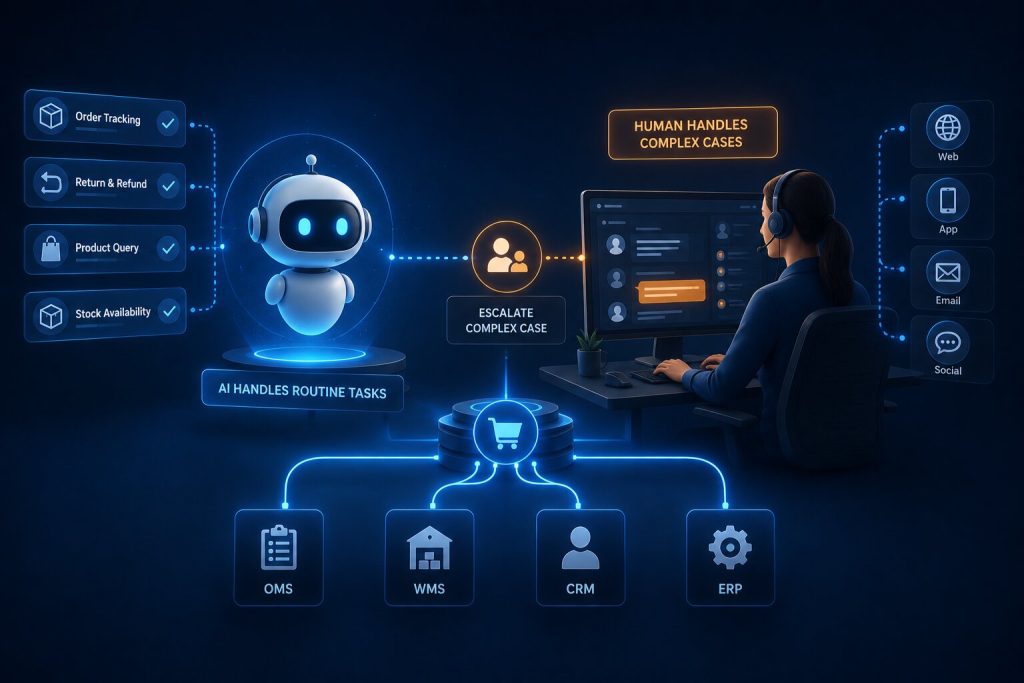
Implementation should follow an iterative, engineering-led phased approach:
- Data & API Audit: Map top support ticket categories and audit backend API readiness for OMS, ERP, and 3PL endpoints.
- Automate High-Frequency Actions: Deploy tool-calling agents for simple state mutations (Order Status, Returns, FAQs).
- Integrate Predictive Pipelines: Sync time-series demand models with inventory databases to trigger proactive alerts.
- Implement Human-in-the-Loop Fallbacks: Configure confidence scoring thresholds and Redis-backed session persistence to hand off edge cases seamlessly to human agents.
- Continuous Model Retraining: Monitor resolution rates, sentiment logs, and latency metrics to continuously fine-tune prompt strategies and RAG context windows.
Engineered for Scale with VectovateAI
Off-the-shelf bots offer quick demos, but production-grade retail systems require software engineering depth. At VectovateAI, we architect AI-Native, API-first custom software that integrates specialized AI agents, predictive demand forecasting, and real-time ERP/WMS synchronization directly inside your enterprise cloud.
Whether you are scaling a fast-growing D2C brand or modernizing a multi-channel enterprise stack, our team builds resilient agentic infrastructure engineered to handle peak holiday traffic without dropping context or performance.
This is the stack behind our AI-integrated eCommerce and predictive ordering case study, which drove 40% revenue growth. For the support-side blueprint, see the 4-pillar AI framework for RetailTech.
Ready to transform your retail technology stack into a high-performance growth engine?
Schedule a 30-Minute Retail AI Architecture Audit with VectovateAI
Frequently Asked Questions.
Get all your answers here and if something remains ask our AI concierge or Book a call with our consultant.